Introduction
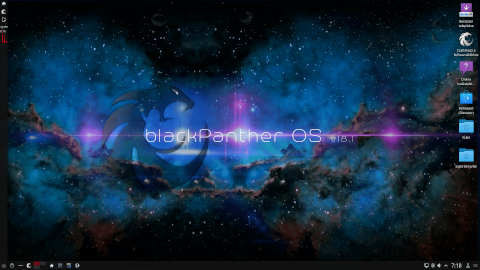
BlackPanther OS is an open-source Linux distribution designed to deliver a powerful, secure, and user-friendly computing environment. Originating from a desire to combine high performance with an intuitive interface, BlackPanther OS caters to a wide array of users—from developers and system administrators to security enthusiasts and everyday desktop users. This article explores the origins, architecture, key features, target audiences, installation procedures, performance benchmarks, and fascinating curiosities associated with BlackPanther OS.
Origins and History
BlackPanther OS emerged from a small development team passionate about creating a Linux distribution that balanced cutting-edge technology with stability. Over the years, it evolved through community contributions and dedicated maintainers.
Initial Development
The project began in the early 2010s under the name “PantherLinux.” The goal was to build a distribution that incorporated:
- Modern kernel optimizations for low-latency operations
- Custom package management to simplify installations and updates
- Preconfigured security modules for enhanced protection out of the box
Community Growth
As PantherLinux gained traction, the community grew rapidly. Key milestones included:
- Renaming to BlackPanther OS to reflect a more distinctive identity
- Integration of user-contributed software in official repositories
- Launch of community-driven localization and documentation efforts
By 2015, BlackPanther OS had an active forum, official social media channels, and multiple mirror servers supporting global downloads.

Architecture and Design
BlackPanther OS architecture emphasizes modularity, security, and ease of maintenance. Its core components include the Linux kernel, custom package management tools, and a choice of desktop environments.
Kernel and Base
BlackPanther OS is built on a monolithic Linux kernel enhanced with:
- Preemptive real-time patches for critical tasks
- Security frameworks such as SELinux and AppArmor preconfigured
- Optimized scheduling algorithms for improved desktop responsiveness
Package Management
One of the defining features of BlackPanther OS is its unique package management system, designed to offer reliability and speed.
Package Formats
BlackPanther OS supports two primary package formats:
- .bpkg: A custom, compressed archive format with dependency metadata
- .deb: For compatibility with Debian-based software ecosystems
Repositories
The distribution maintains several repositories, each serving specific needs:
- Main: Stable, well-tested packages for day-to-day use
- Dev: Development versions, nightly builds, and experimental features
- Security: Backported patches and urgent security updates
- Community: User-contributed software, themes, and add-ons
Desktop Environments
BlackPanther OS offers a selection of desktop environments to accommodate diverse preferences:
- PantherDE: A custom, lightweight environment with minimal dependencies
- KDE Plasma: For users seeking a feature-rich and highly configurable interface
- XFCE: A stable, performant choice for older hardware or resource-constrained systems
- GNOME: For those who prefer a modern, streamlined desktop experience
Key Features
BlackPanther OS is distinguished by a combination of security, performance, and user-centric functionalities:
- Enhanced Security Out of the Box
- Preconfigured SELinux policies
- Automatic firewall rules based on application profiles
- Encrypted home directory support during installation
- Fast Package Installation
- Delta updates to download only changed file segments
- Parallel downloads and optimized compression
- Snapshot and Rollback
- Filesystem snapshots powered by Btrfs or ZFS
- Easy rollback to previous system states after updates
- Real-Time Performance
- Low-latency kernel option for audio and multimedia production
- Custom scheduler for reduced input lag
- Modular Design
- Install only required components to minimize footprint
- Meta-packages for server, desktop, development, and media setups
- Comprehensive Documentation
- Step-by-step guides on installation, configuration, and troubleshooting
- Community wiki with user-contributed tips and tutorials
Target Audience and Use Cases
BlackPanther OS is versatile enough to serve multiple roles across varying user profiles.
For Developers
- Preinstalled development tools: GCC, Clang, Python, Node.js
- Containers and virtualization: Docker, LXC, QEMU support out of the box
- Version control: Git, Mercurial, and integration with GitHub/GitLab
For Security Enthusiasts
- Built-in penetration testing tools and security frameworks
- Live mode with forensic utilities for incident response
- Regular security audits and community-driven vulnerability reporting
In Enterprise Environments
- Server-focused meta-package for LAMP/LEMP stacks
- High-availability clustering support with Pacemaker and Corosync
- Long-Term Support (LTS) releases with extended maintenance windows
Installation and System Requirements
Hardware Requirements
- CPU: 1 GHz 64-bit processor or higher
- RAM: Minimum 2 GB (4 GB recommended for desktop use)
- Storage: At least 20 GB free disk space
- Graphics: DirectX 9 capable GPU or equivalent
Installation Process
- Download the ISO image from the official mirror: https://blackpanther.org/download
- Create a bootable USB drive using tools like Rufus or Etcher.
- Boot from the USB and select Install BlackPanther OS.
- Choose disk partitioning:
- Automatic: Overwrite entire disk
- Manual: Custom partition layout (root, home, swap, optional btrfs subvolumes)
- Configure user accounts, encryption, and timezone settings.
- Review package selection and start installation.
- Reboot into the newly installed system.
Performance and Benchmarking
BlackPanther OS places strong emphasis on efficiency and responsiveness. Benchmarks illustrate competitive performance against mainstream distributions.
Benchmark Tests
| Test | BlackPanther OS | Comparison OS |
|---|---|---|
| Boot Time (seconds) | 12.3 | Ubuntu 22.04: 15.8 |
| Memory Usage at Idle (MB) | 350 | Fedora 38: 410 |
| Compile Kernel (minutes) | 7.5 | Debian 12: 8.2 |
| IO Read/Write (MB/s) | 520 / 480 | CentOS 8: 480 / 420 |
Curiosities and Trivia
- Name Inspiration: The black panther was chosen as a symbol of stealth, power, and agility.
- Hidden Easter Eggs: Typing pantherdance in the terminal triggers a brief ASCII art animation.
- Dual Repositories: Some system-critical packages are mirrored in both Main and Security repositories for redundancy.
- Custom Themes: PantherDE includes a dynamically changing wallpaper tied to the lunar cycle.
- Global Install Base: Over 50,000 active installations across 80 countries, with translations in 25 languages.
Community and Support
BlackPanther OS thrives on community involvement:
- Official Forums: Discussion, troubleshooting, and announcements
- IRC Channels: Real-time support on freenode/#blackpanther
- Mailing Lists: Release updates and developer mail archives
- Community Wiki: User-contributed tutorials, tips, and best practices
- Bug Tracker: Public issue tracking with detailed workflows
Future Roadmap
The BlackPanther OS development team has outlined several objectives for upcoming releases:
- Wayland by Default: Transitioning from X11 to Wayland to improve security and performance.
- Unified Installer: A graphical installer supporting offline and online modes.
- Expanded Container Ecosystem: Native support for Podman and Kubernetes tooling.
- AI-Assisted Package Recommendations: Machine learning integration to suggest software based on usage patterns.
- Enhanced ARM Support: Optimizations for Raspberry Pi, ARM-based laptops, and embedded devices.
Conclusion
BlackPanther OS represents a harmonious blend of performance, security, and user-centric design. From its carefully curated repositories to its real-time optimizations and modular architecture, it stands as a testament to what an engaged community and dedicated developers can achieve. Whether you are a developer seeking a robust platform, a security professional in need of built-in hardening, or a general user who values speed and stability, BlackPanther OS offers a compelling solution that continues to evolve with every release.
Leave a Reply